
The Reefs of Cozumel, and the People Bringing Them Back
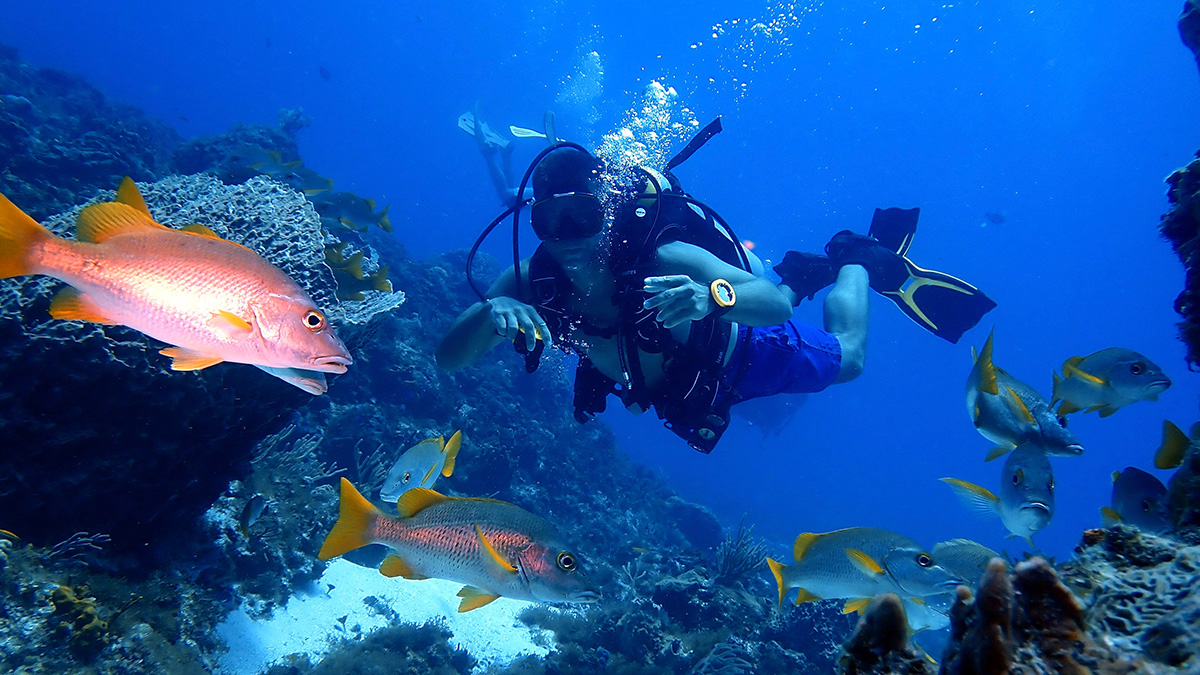
Off the coast of Cozumel, the water is clear enough to see thirty metres down. Reefs run along the island like a living wall. Sea turtles drift past, and schools of fish move in bright sheets of colour. This is one of the best places to see coral in the Caribbean, and one of the last places where certain corals are still growing.
It is also a reef that has spent much of its life fighting to survive. This is the story of what makes Cozumel's reefs special, what is putting them at risk, and the small team working to bring one of them back.
Key takeaways
- Cozumel holds some of the healthiest coral reefs left in the Caribbean, part of the Mesoamerican Reef, the second largest barrier reef on Earth.
- One reef, Villa Blanca, lost nearly 97% of its coral after a cruise dock was built in 1994.
- A local team called the Cozumel Coral Reef Restoration Program (CCRRP) has been rebuilding it since 2017. They have built 29 platforms and planted more than 10,000 coral fragments.
- You can help by adopting a coral for $5 a month. It is a real fragment growing in the water off Cozumel, photographed and tracked so you can watch it grow.
What is the Cozumel Marine Park?
The Cozumel Marine Park is a protected marine reserve off the southwest coast of Cozumel Island in Mexico. Its official name is Parque Nacional Arrecifes de Cozumel. It covers close to 12,000 hectares of coral reef and is managed by Mexico's national parks authority, CONANP.
The park sits inside the Mesoamerican Reef, the second largest barrier reef in the world. This reef system stretches more than 1,000 kilometres, from the Yucatán Peninsula down to Honduras. Cozumel's most famous dive sites are here, including Palancar, Santa Rosa Wall, Columbia, and Punta Sur. What makes the park special is simple. It holds some of the healthiest coral left in the Caribbean, and that becomes rarer every year.
What lives on Cozumel's reefs?
Cozumel's reefs are home to more than 500 species of fish, along with turtles, rays, and some of the rarest corals in the region.
Two corals matter most here: Staghorn coral and Elkhorn coral. Both are reef-building species, which means they create the structure that everything else depends on. In Florida, these corals are now so scarce they can barely reproduce. In Cozumel, they are still growing, and thanks to restoration work, still being planted.
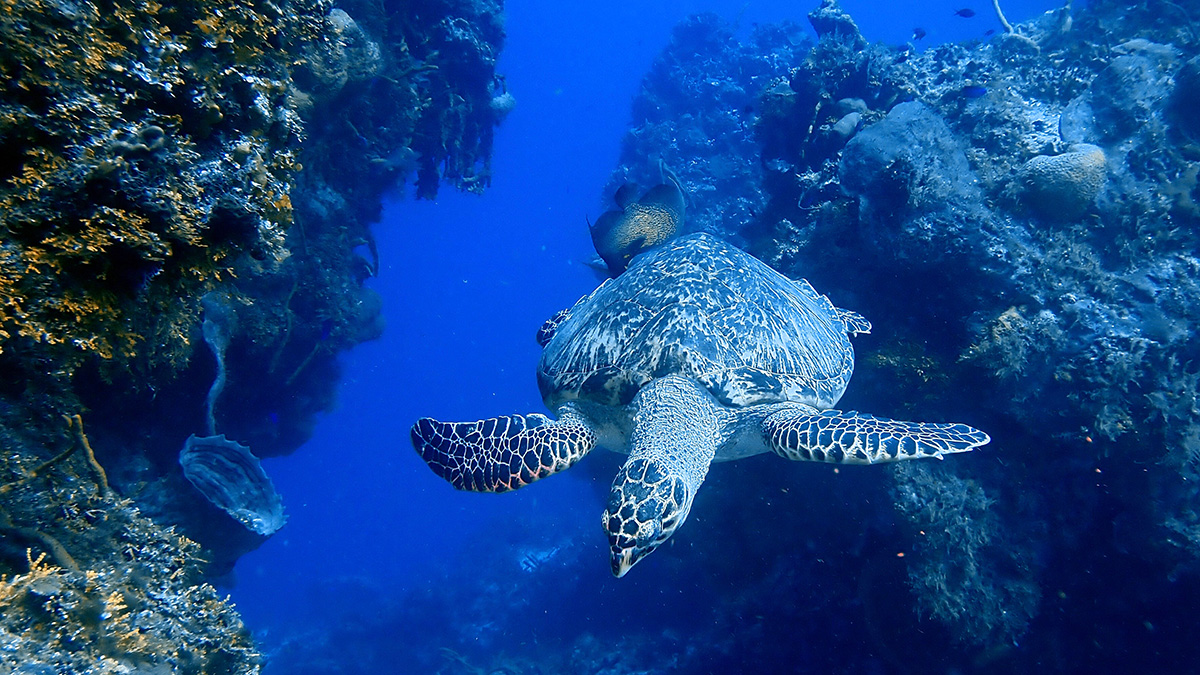
The reef also supports hawksbill sea turtles, nurse sharks, eagle rays, and spiny lobster. Parrotfish are especially important. They eat the algae that would otherwise smother young coral, which makes them one of the reef's best natural caretakers.
What is threatening Cozumel's coral reefs?
Cozumel's reefs face pressure from several directions at once: coastal development, warming water, disease, and heavy tourism. These are the main threats.
- Cruise ship development. Large terminals damage coral directly during construction, and the constant flow of ships is linked to the spread of coral disease between ports.
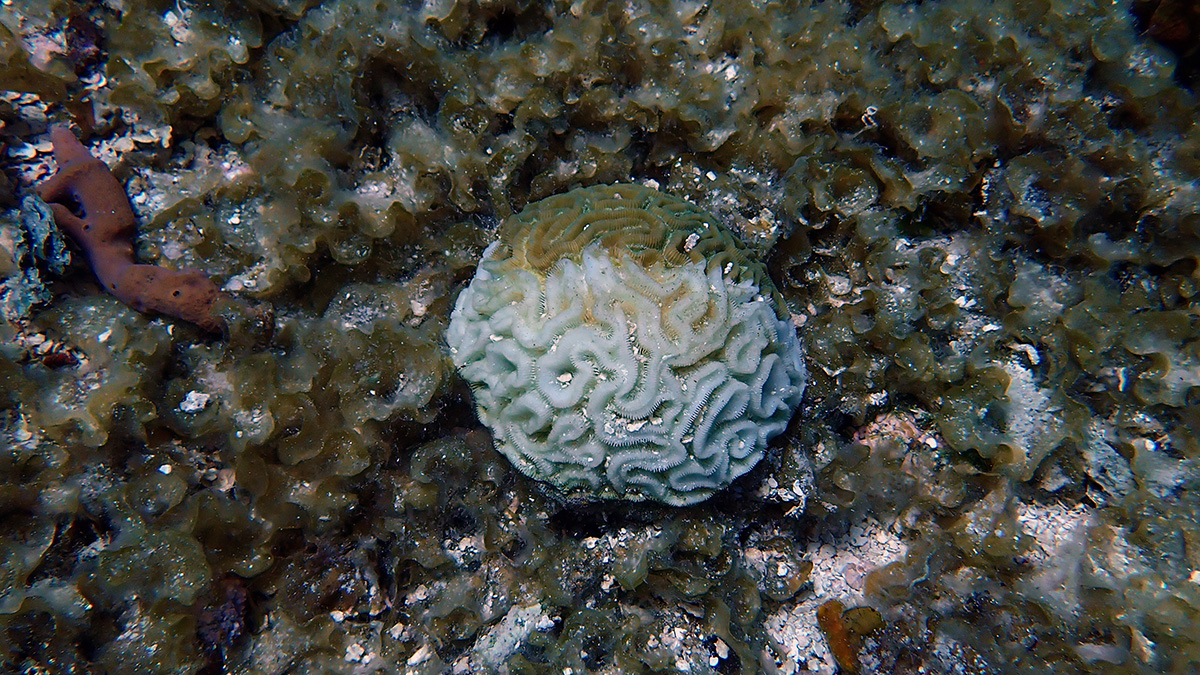
- Coral disease. Stony Coral Tissue Loss Disease has caused huge reef die-offs across the Caribbean and has reached this region.
- Warming water. Rising sea temperatures cause coral bleaching, which weakens and can kill coral colonies.
- Anchor and diver damage. Hundreds of thousands of people visit each year. Careless boats and untrained divers break fragile coral.
- Poaching. When parrotfish and other key species are removed, algae takes over and the reef struggles to recover.
What happened at Villa Blanca reef?
In 1994, the Mexican government built a cruise ship terminal at Villa Blanca, despite years of local protest. The construction killed nearly 97% of the coral around it.
Today the Villa Blanca reef still sits outside the protected boundaries of the Cozumel Marine Park. That leaves it exposed to coastal development, poor sewage treatment, and rising cruise traffic. It is one of the most at-risk reefs on the island, and it is where this next part of the story begins.

Who is restoring Cozumel's reefs?
A local team called the Cozumel Coral Reef Restoration Program, or CCRRP, has been rebuilding the Villa Blanca reef since 2017.
CCRRP was founded by Dr. German Mendez, a marine biologist who set out to restore the corals lost to development, overtourism, and climate change. His team grows and repairs damaged corals in an aquarium and coral garden, then plants them back onto the reef.
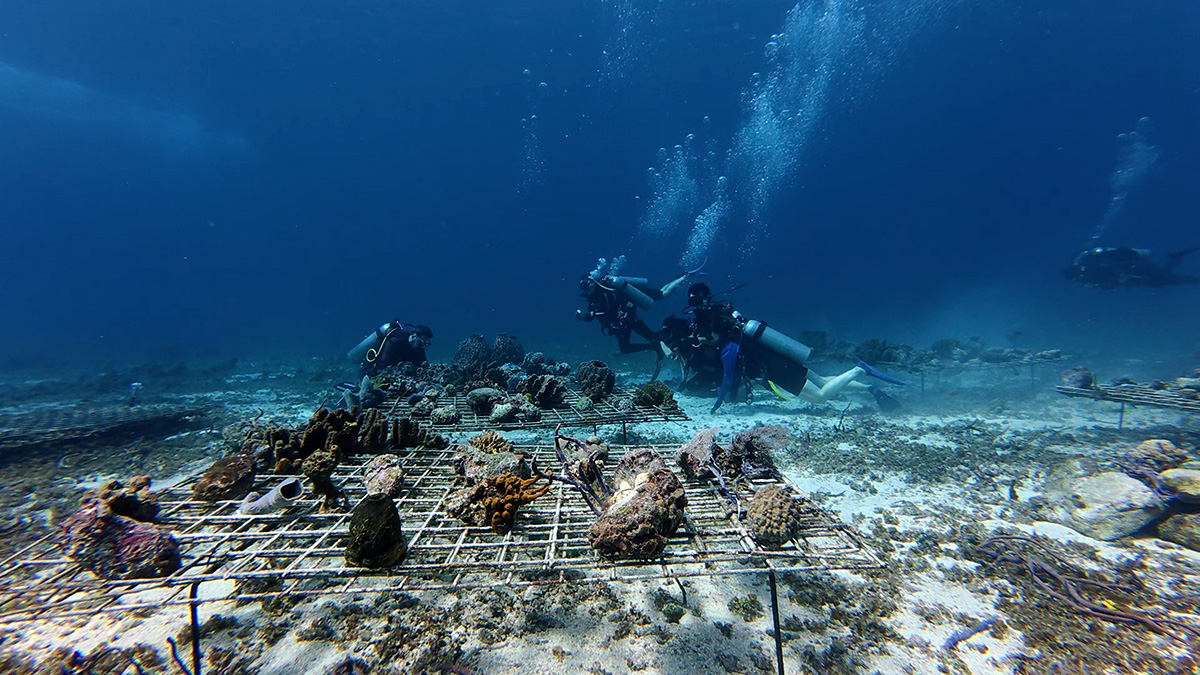
The numbers tell the story. So far, CCRRP has built 29 coral restoration platforms and planted more than 10,000 coral fragments. They also study coral reproduction, disease, and water quality, and they run education programs for visitors and for Cozumeleños, the people who live on the island.
How does coral restoration work?
Coral restoration starts with rescue. When storms, boats, or divers break a piece of coral, that fragment can still survive if someone acts quickly.
CCRRP's volunteers collect these broken fragments and attach them to platforms in a protected nursery, where they can grow safely. Over time, the fragments grow into healthy colonies. Once they are strong enough, the team plants them back onto the reef. Much of this work has moved to the deeper waters of Villa Blanca, from about 2 to 7 metres down, where cooler and cleaner currents help the coral recover faster.
How can you help restore Cozumel's reefs?
The simplest way to help is to adopt a coral. For $5 a month, you fund a real coral fragment growing in the water off Cozumel.
Reef restoration is usually invisible to the people who pay for it. Canopi changes that. Every coral you adopt is a real fragment raised in the CCRRP nursery. It is geotagged, photographed, and checked underwater by the team, so you get monthly updates and can watch your coral grow.
- Your coral is a real fragment growing in the sea, tracked from day one.
- You get monthly photos and updates from underwater.
- CCRRP earns as your coral grows, which gives them steady, reliable funding.
- Any surplus funds larger reef-planting across the Mesoamerican Reef.
Canopi is a Canadian non-profit. We build the adoption platform and help reef partners like CCRRP reach more people, so more of their work gets funded. We take no cut of your adoption.
Adopt a coral in Cozumel and watch it grow. New corals are planted seasonally, and the current fragments are fully adopted, so you can join the waitlist for early access to the next planting.
The reef can come back
Cozumel's reefs have survived films, cruise ships, storms, and disease. What keeps them alive now is a mix of protection, science, and people who refuse to give up. Every coral planted is a small bet that the reef can recover. You can be part of that bet.
Frequently asked questions
Where is the Cozumel Marine Park?
It is off the southwest coast of Cozumel Island in Quintana Roo, Mexico, inside the Mesoamerican Reef. Its official name is Parque Nacional Arrecifes de Cozumel.
Are Cozumel's coral reefs dying?
Some are under serious threat. The Villa Blanca reef lost nearly 97% of its coral after a cruise terminal was built in 1994. Other reefs in the marine park are healthier than most in the Caribbean, but all face pressure from warming water, disease, and development.
What is CCRRP?
CCRRP is the Cozumel Coral Reef Restoration Program, founded by Dr. German Mendez in 2017. The team rescues, grows, and replants coral on the Villa Blanca reef. They have built 29 platforms and planted more than 10,000 coral fragments.
Can you adopt a coral in Cozumel?
Yes. Through Canopi you can adopt a real coral fragment growing off Cozumel for $5 a month, with monthly photo updates. New corals are planted seasonally, so you may join a waitlist for the next batch.
Where does my $5 coral adoption go?
It funds CCRRP's restoration work at Villa Blanca. CCRRP earns as your coral grows, and any surplus expands reef-planting across the Mesoamerican Reef. Canopi is a non-profit and takes no cut.