
Cozumel's reefs need you
In 1994, the Mexican government built a cruise ship terminal in Villa Blanca despite years of local protest — construction destroyed nearly 97% of the surrounding coral. Decades later, the reef still sits outside the protected boundaries of the Cozumel Marine Park, leaving it exposed to runaway coastal development, inadequate sewage treatment, and a steady rise in cruise arrivals. The Cozumel Coral Reef Restoration Program is fighting to replant and protect what's left, coral by coral. As the threats mount, sheer human tenacity may be all that saves this reef.
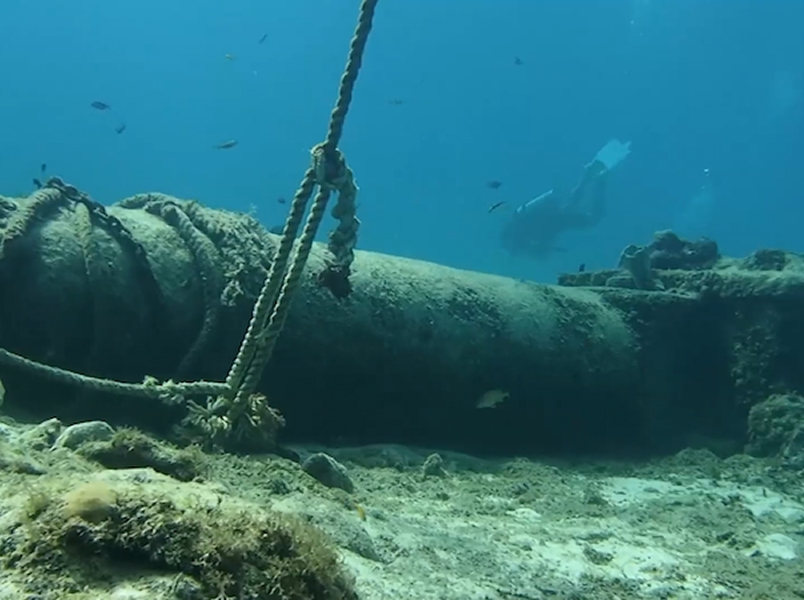
Mexico's reefs are part of the 2nd largest barrier reef
Cozumel sits at the heart of the Mesoamerican Barrier Reef System — the second largest barrier reef in the world, and the largest in the Western Hemisphere. Stretching over 600 miles, this massive underwater ecosystem is a vital lifeline for thousands of marine species. By restoring local areas like the Villa Blanca Reef, we're protecting a crucial pillar of this globally significant network, helping it continue to support biodiversity and coastal communities for generations to come.
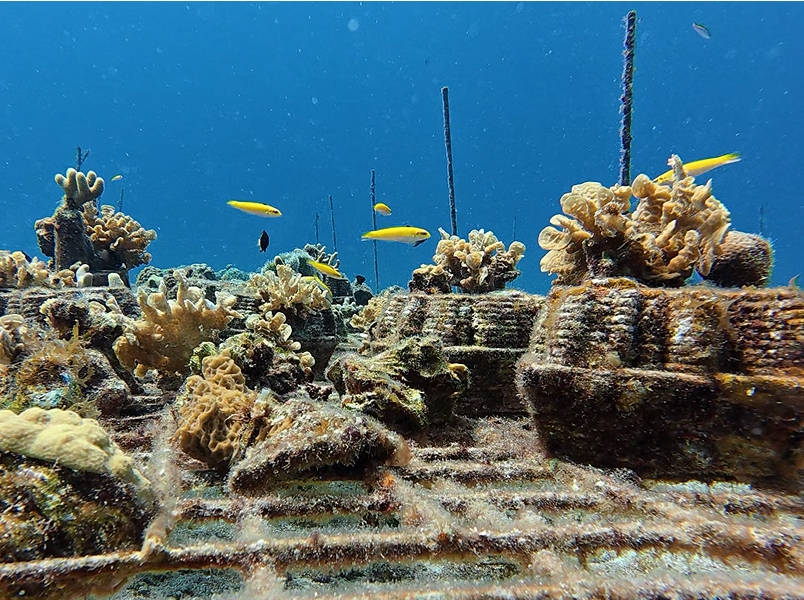
Explore the Villa Blanca Restoration site
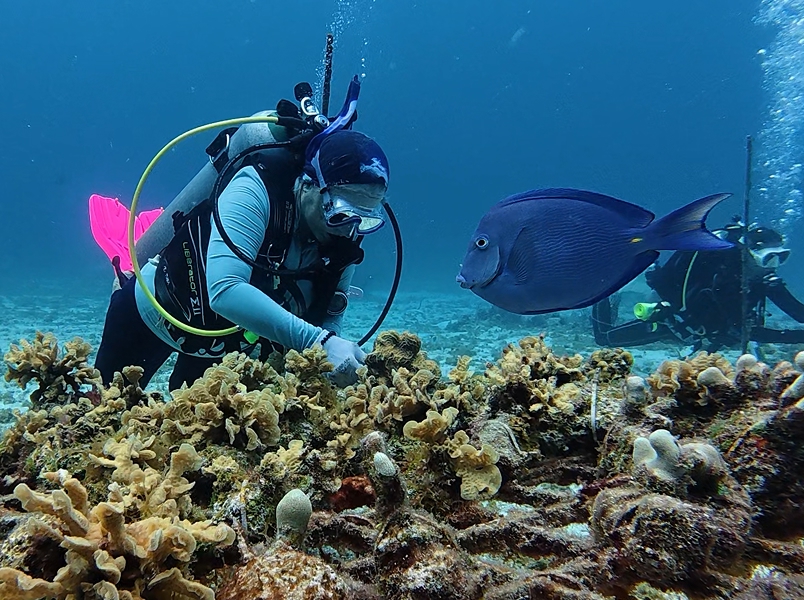
The corals located at the Villa Blanca reefs, from waters of about 2-3 meters to 6-7 meters.
In collaboration with
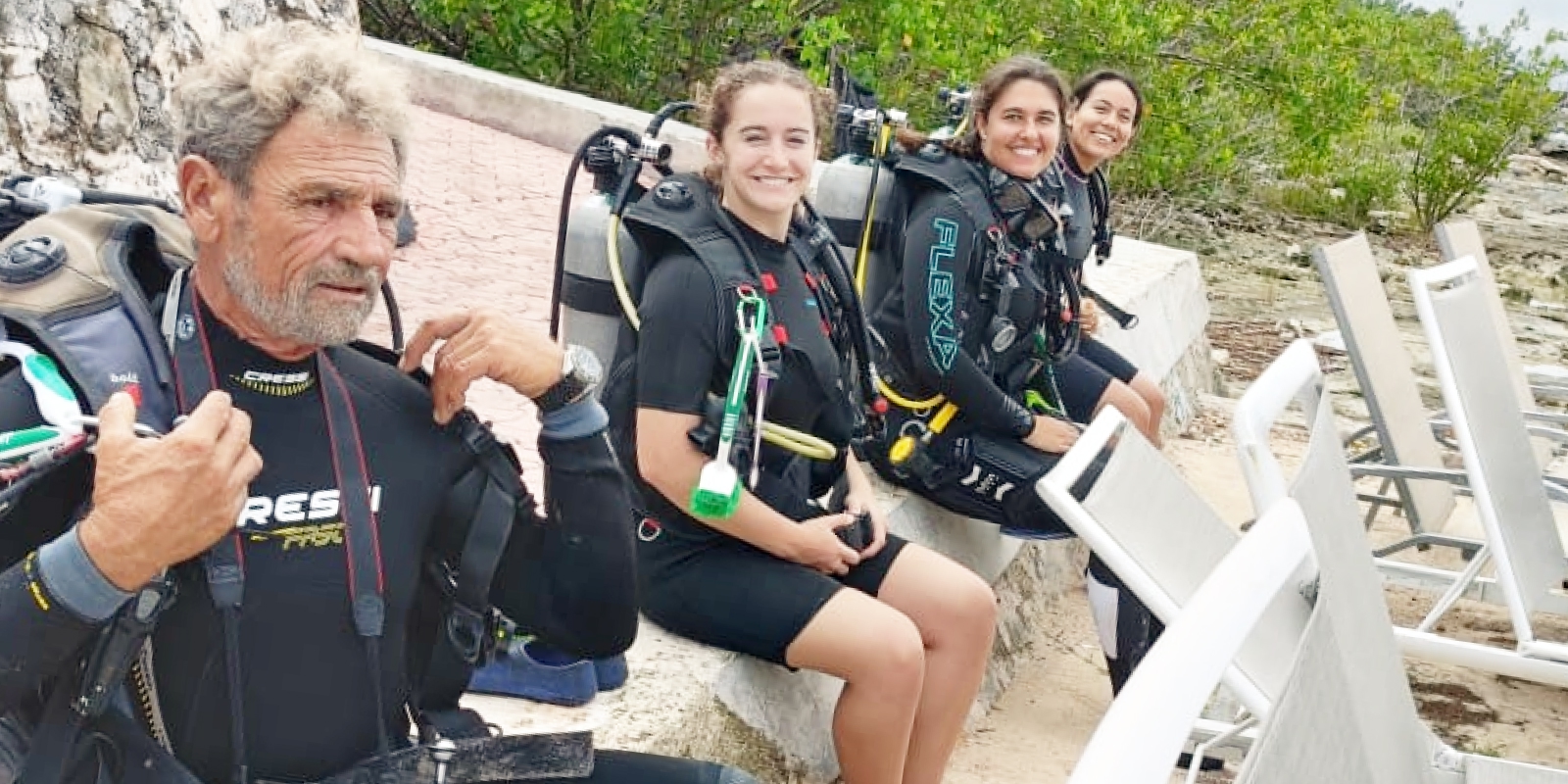
Cozumel Coral Reef Restoration Program
Dr. German Mendez founded the Cozumel Coral Reef Restoration Program in 2017 to conserve and restore Cozumel’s coral species affected by unsustainable development, overtourism, and climate change. We grow and restore damaged corals in our aquarium and coral garden, then plant them in the Villablanca Reef. To date, we’ve built 29 coral restoration platforms and planted over 10,000+ coral fragments! We research coral reproduction, diseases, and water contamination, and offer educational programs to tourists and Cozumeleños, empowering them to help protect and regenerate their coral reefs.
Your coral adoption.
Tracked from day one.
Reef restoration is usually invisible to donors. At Canopi, every coral you adopt is a real fragment being raised in a nursery off the coast of Cozumel, Mexico — geotagged, photographed, and monitored underwater by the CCRRP team. Surplus funds expand larger scale reef-planting campaigns across the Mesoamerican Reef.

Real coral fragments
See your coral grow over time

Monthly coral updates
See your coral grow underwater

Verified payouts
CCRRP earns as your coral matures

Reliable funding
Long-term stability for reef restoration
Why adopt a coral on Canopi?
Canopi, a Canadian non-profit, builds the adoption platform and provides marketing help so reef partners like CCRRP reach more people and fund their coral conservation work in Mexico.
Our corals are fully adopted - join the waitlist.
New corals are planted seasonally. Be the first to know - waitlist members get 48-hour early access.

Restoring The Bali Reefs
By replanting the corals, you will be providing rebuilding the habitat for fish and marine life to regenerate the ecosystem.
Frequently Asked Questions
Our corals are fully adopted - join the waitlist.
New corals are planted seasonally. Be the first to know - waitlist members get 48-hour early access.
Restoring The Bali Reefs
By replanting the corals, you will be providing rebuilding the habitat for fish and marine life to regenerate the ecosystem.